
SEO Is Entering a New Era
SEO has evolved far beyond keywords and backlinks. Search engines now prioritize user intent, content quality, topical authority, and helpful experiences over outdated optimization tactics.
The rapid adoption of AI-powered search experiences, including Google AI Overviews, ChatGPT, and Perplexity, is changing how users discover information. Businesses must now optimize not only for traditional search engines but also for AI systems that summarize and recommend content. As explained in Ghost.blog's How to Optimize Your Content for Google AI Overviews: A Complete SEO Guide, creating well-structured, trustworthy, and user-focused content increases the likelihood of being featured in AI-generated search results.
Ultimately, successful SEO is no longer about chasing algorithms. It's about creating content that genuinely answers users' questions, demonstrates expertise, and provides lasting value.

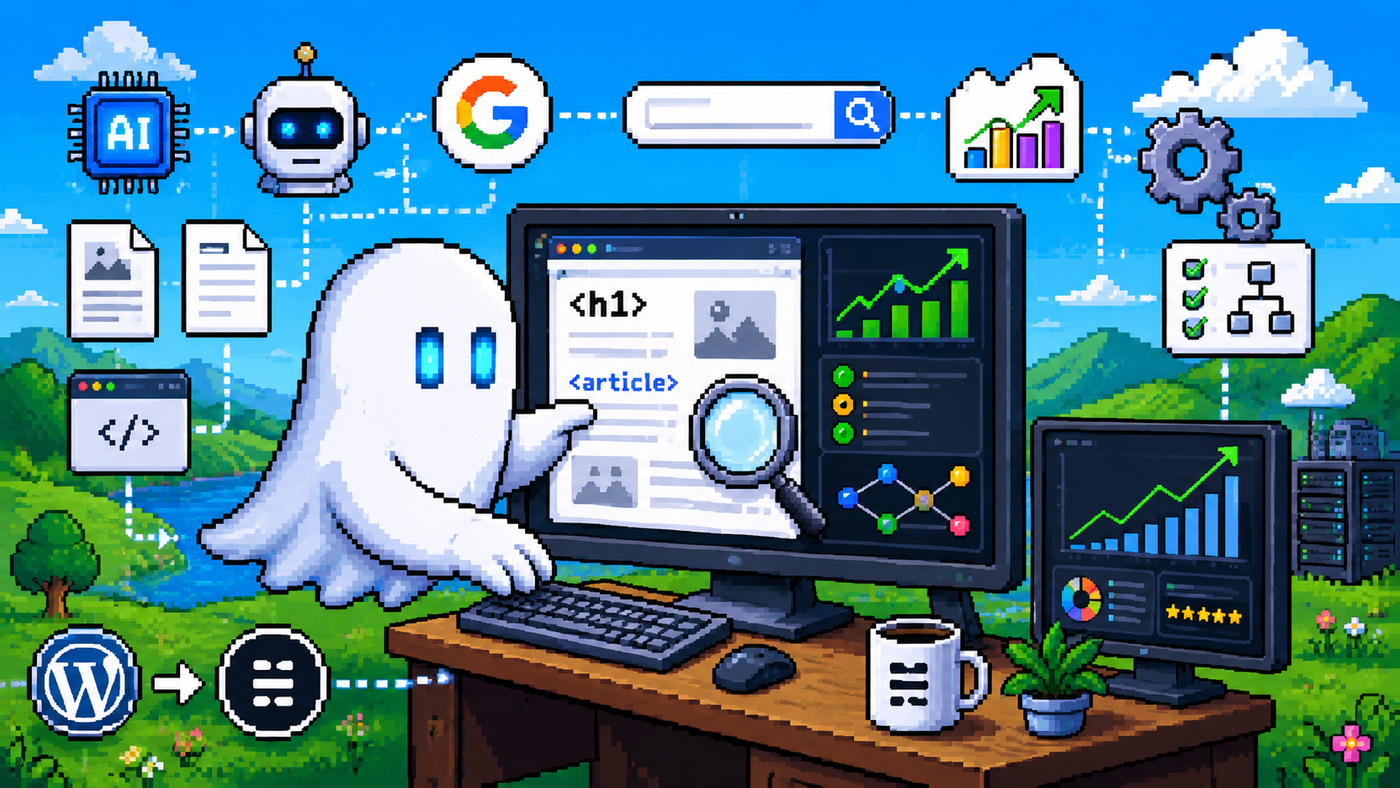
AI-Powered Search Ecosystem
Why Traditional SEO Is No Longer Enough
For years, SEO focused on technical factors like keyword density, exact-match anchor text, and backlink volume. While these elements still matter, modern search algorithms have become much better at understanding context and intent.
Google now rewards websites that demonstrate expertise, provide original insights, and create satisfying user experiences. Platforms like Ghost simplify technical optimization by automatically generating XML sitemaps, canonical URLs, structured metadata, and clean HTML, allowing creators to spend more time producing helpful content instead of configuring SEO settings.
Rather than writing for algorithms, publishers should focus on creating comprehensive, trustworthy content that answers real user questions and demonstrates genuine expertise.
Traditional SEO vs Modern AI SEO
Traditional SEO | Modern AI SEO |
|---|---|
Keyword Density | Search Intent |
Manual Optimization | AI-Assisted Workflows |
Individual Pages | Topic Clusters |
Ranking Focus | User Satisfaction |
Backlink Quantity | Authority and Trust |
Optimize for Google Search | Optimize for Google Search, AI Overviews, AI Mode, ChatGPT, and Perplexity |
Static Content | Continuously Updated Content |
Generic Keywords | Semantic Search and Natural Language Queries |
Manual SEO Audits | Automated Monitoring |
Organic Traffic | Visibility, Engagement, and Brand Authority |
AI Is Becoming Every SEO Team's Assistant
Artificial intelligence has transformed nearly every stage of content creation. Instead of spending hours researching keywords manually, AI tools can generate topic ideas, analyze competitors, build content outlines, suggest internal links, create metadata, improve readability, and identify content gaps.
However, AI should support, not replace, human expertise. The most successful publishers combine AI-assisted workflows with original research, personal experience, expert insights, and thoughtful editing to create content that users trust.
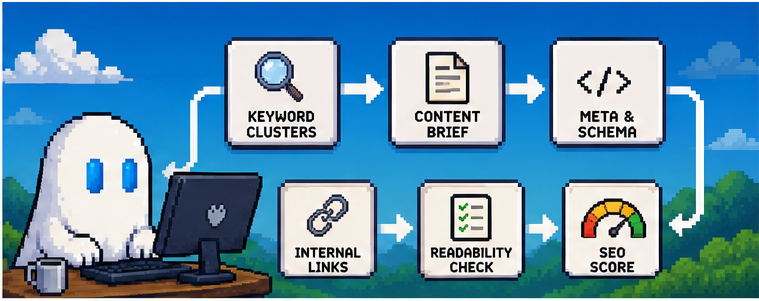
AI-Assisted SEO Workflow
Automation Is Reshaping Content Marketing
Content teams are increasingly using automation to improve efficiency without sacrificing quality.
Modern publishing workflows can automate:
- Content scheduling
- Image optimization
- Meta descriptions
- Internal linking
- SEO audits
- Performance monitoring
- Content updates
- Weekly reporting
Rather than replacing writers, automation frees them to spend more time creating insightful, user-focused content. By automating repetitive tasks, marketing teams can focus on creativity, storytelling, and long-term content strategy.
User Experience Is the New Ranking Signal
Google's Helpful Content System encourages websites to create content primarily for people, not search engines.
Successful content answers questions completely by including:
- Practical examples
- Visual explanations
- Original research
- Clear formatting
- Helpful comparison tables
- Actionable advice
Well-structured articles are easier for both readers and AI systems to understand, making readability just as important as technical optimization.

User-Centric Content Journey
The Rise of AI Search
Millions of users now receive direct answers from AI-powered search assistants instead of clicking multiple websites.
This shift means publishers should optimize content for:
- Google AI Overviews
- Google AI Mode
- ChatGPT
- Perplexity AI
- Microsoft Copilot
- Gemini
Content that performs well typically includes:
- Clear headings
- Concise explanations
- Reliable references
- Structured formatting
- Original insights
Why E-E-A-T Matters More Than Ever
Google evaluates quality using the E-E-A-T framework:
- Experience
- Expertise
- Authoritativeness
- Trustworthiness
To strengthen these signals, every article should include:
- Original examples
- Credible references
- Updated information
- Expert opinions
- Supporting data
Google's Search Quality Evaluator Guidelines reinforce that trustworthy, experience-driven content is more likely to perform well in both traditional search results and AI-generated responses.
Build Content Around Topics, Not Keywords
Rather than publishing isolated articles, successful websites create interconnected topic clusters.
Pillar Article
The Future of SEO
Supporting Articles
- Technical SEO Guide
- Keyword Research Guide
- AI SEO Tools
- Internal Linking Strategies
- Content Marketing Guide
This structure improves crawlability, strengthens topical authority, and encourages visitors to explore more of your content.
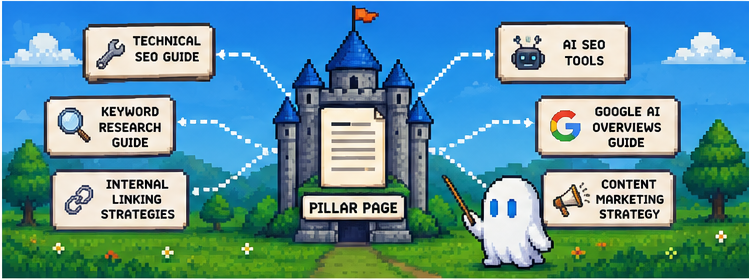
Topic Cluster Architecture
Common SEO Mistakes
Avoid these outdated practices:
- Publishing unedited AI-generated articles
- Keyword stuffing
- Thin content
- Missing internal links
- Slow-loading pages
- Duplicate content
- Outdated information
- Poor mobile experience
Regularly monitoring your site's indexing status, search performance, and technical health through Google Search Console Help can help identify issues before they affect rankings.
Frequently Asked Questions
1. Will AI replace SEO?
No. AI is changing how people search and how search engines present information, but SEO remains essential. The focus has shifted from keyword-heavy content to creating trustworthy, user-focused content that AI systems and search engines can easily understand and recommend.
2. What is the biggest SEO trend in 2026?
The biggest trend is the rise of AI-powered search experiences like Google AI Overviews and AI Mode. Businesses should optimize for user intent, topical authority, and high-quality content instead of relying solely on traditional keyword optimization.
3. How does automation improve SEO?
Automation streamlines repetitive tasks such as keyword monitoring, technical SEO audits, internal linking, metadata generation, content scheduling, and performance reporting. This allows SEO teams to spend more time on strategy, creativity, and producing valuable content.
4. Is AI-generated content good for SEO?
AI-generated content can support SEO when it's reviewed, edited, and enhanced by humans. Content that includes original insights, real-world experience, and accurate information is more likely to perform well than content published without human oversight.
5. What is topical authority, and why is it important?
Topical authority is built by publishing multiple high-quality articles around a specific subject and connecting them through relevant internal links. This helps search engines understand your expertise and improves your chances of ranking for a broader range of related searches.
6. How can businesses prepare for the future of SEO?
Businesses should focus on creating people-first content, building topic clusters, using AI responsibly, automating repetitive workflows, monitoring website performance, and regularly updating content to keep it accurate and relevant.